Bed Bug Services Fundamentals Explained
Table of ContentsExamine This Report on Bed Bug ServicesSome Known Incorrect Statements About Bed Bug Services The Single Strategy To Use For Bed Bug ServicesOur Bed Bug Services Diaries
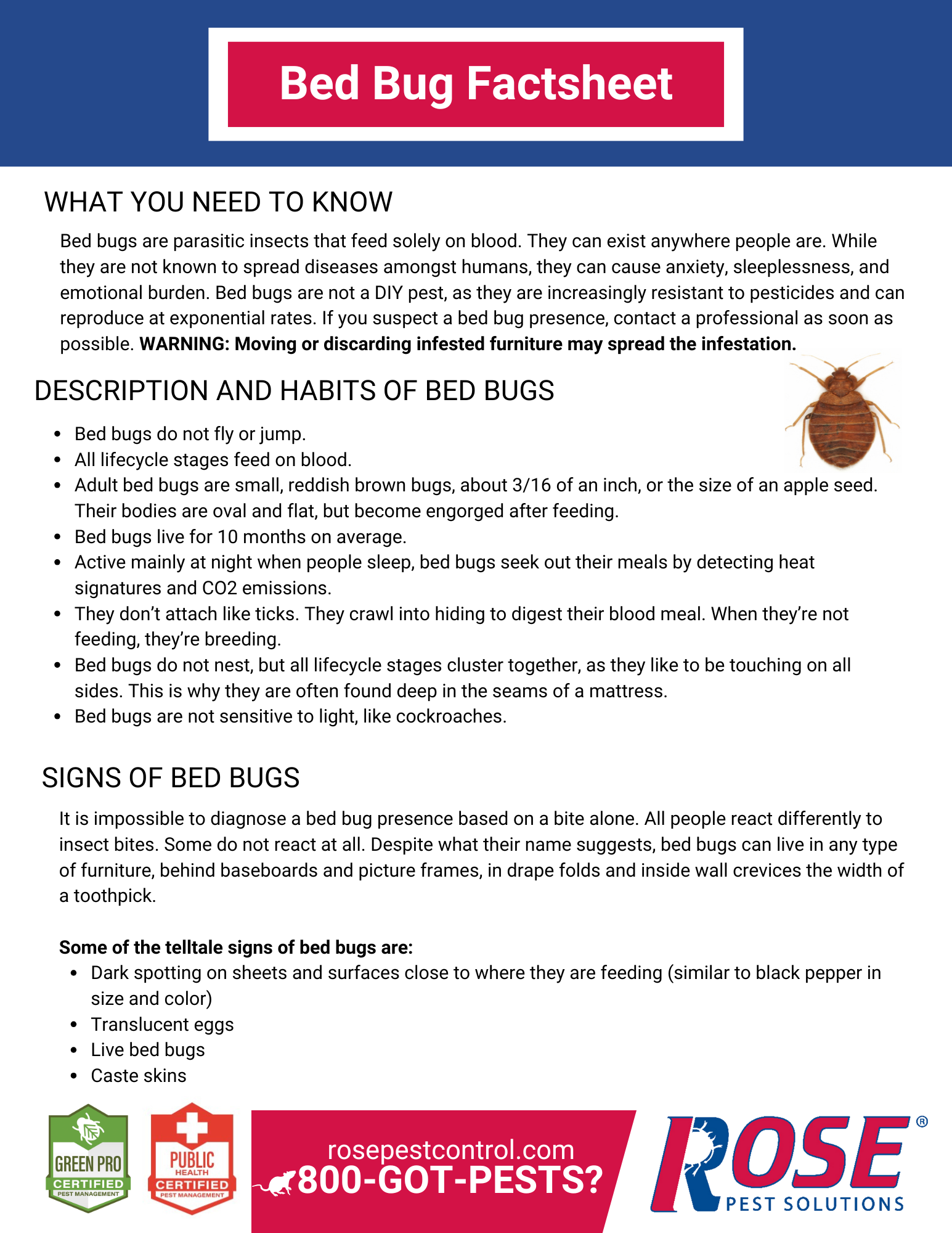
A thorough bed bug inspection by experts is much more than a simple walkthrough and relies on expertise. Bed bugs are tiny, quick, and skilled at concealing themselves that often dwell in small hiding places in furniture and walls. Because of their hidden habits, detailed examination is necessary to determine the presence and extent of an infestation. Professional inspectors rely on specialized equipment, systematic procedures, and experience to identify infestations early, preventing spread and further infestation.The first step in the inspection process involves familiarizing oneself with the biology of bed bugs. Bed bugs belong to the Cimicidae family and experience multiple nymph stages before reaching adulthood. Adults are around five millimeters long, flat, reddish-brown, and wingless with slender legs and antennae. Their segmented proboscis allows them to pierce the skin and feed on blood, resulting in clusters of itchy bites. Knowing these traits helps inspectors anticipate hiding spots.
Early detection is essential for stopping the problem from spreading. Professionals look for specific indicators such as tiny ink-like droppings, molted skins, and egg clusters (Bed Bug Services). A single female can lay hundreds of eggs, leading to rapid infestations if unchecked. Evidence of shed exoskeletons or leftover eggs signals ongoing activity and necessitates immediate attention
Preparing for an inspection demands meticulous preparation. Inspectors often recommend clearing clutter from treatment areas, which facilitates examination of hard-to-reach areas. Bedding and linens may be cleaned thoroughly and sealed in plastic bags, and then secured until the inspection is complete. Wall decor, mirrors, and pictures should be taken down to inspect behind frames. Vacuuming furniture and floors can remove loose pests, and vacuum bags should be emptied in a secure location.
Some Ideas on Bed Bug Services You Need To Know
The inspection itself is comprehensive and careful. Inspectors focus on sleeping areas like beds, headboards, and mattresses, checking seams, folds, handles, and crevices. Upholstered furniture, including seating furniture, is scrutinized to reveal any hidden pests. Baseboards, moldings, the edges of wall-to-wall carpeting, electrical outlets, closets, and storage areas are methodically checked, as these can be common harborage sites.
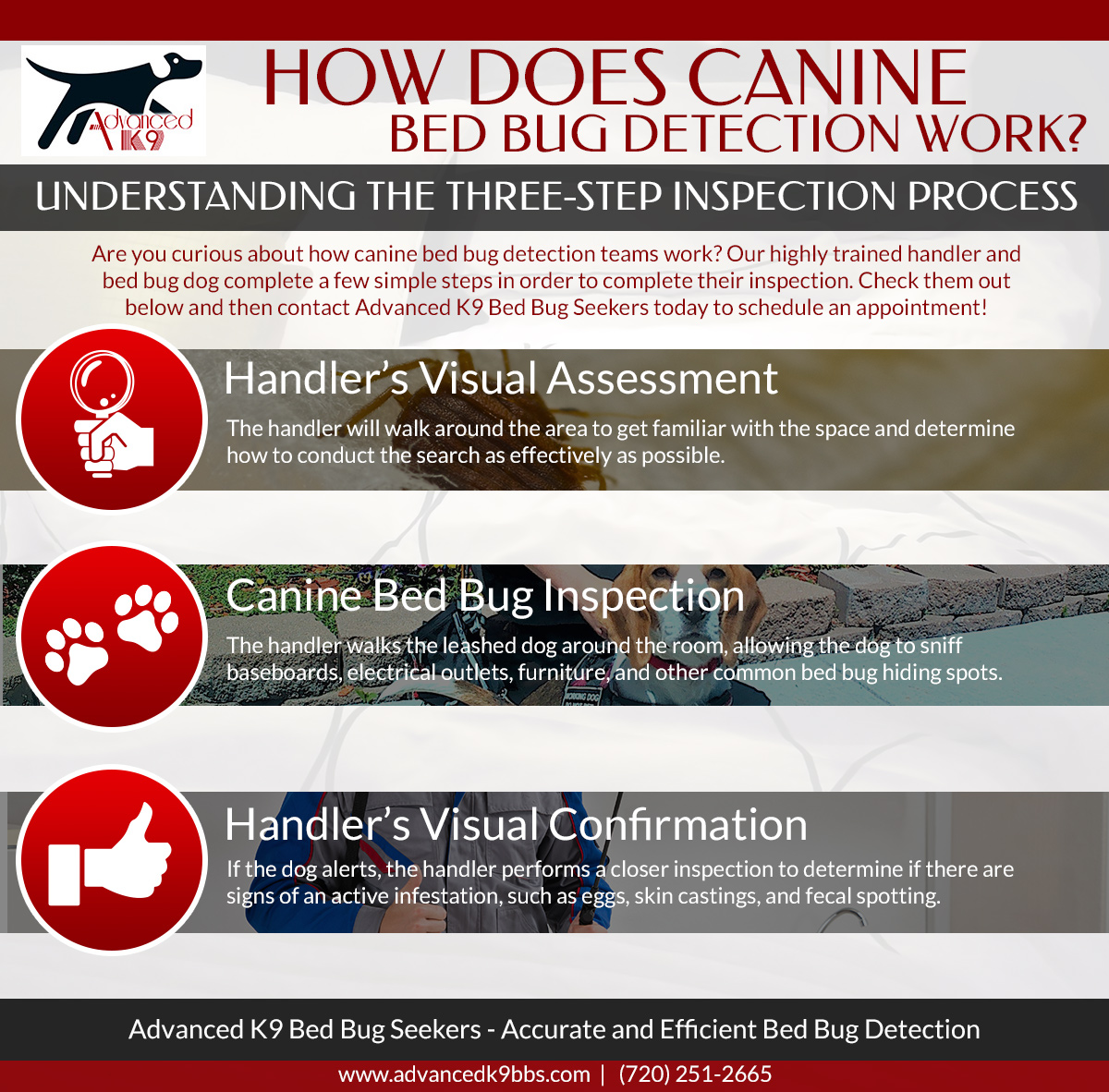
Specialized tools help inspectors find hidden pests. Flashlights, magnifying lenses, multi-tools, and mirrors help inspect hard-to-see areas. Monitoring devices like interceptor traps or sticky pads aid in identifying infestation trends. Some companies employ trained canines, which detect even small infestations, distinguishing them from old evidence.


Meticulous documentation is essential. Inspectors maintain detailed notes of findings, areas affected, and next steps. This ensures accountability and helps with client communication. click this Residents are often instructed to preserve evidence for accuracy, as this maintains inspection effectiveness.
After inspection, a monitoring plan may be put in place to verify infestations and observe trends. Continuous monitoring assesses the effectiveness of treatment, and asking residents about bites and sightings helps pinpoint problem areas. Cooperation from residents supports the inspection process.
The Single Strategy To Use For Bed Bug Services
Professional inspections provide confidence that infestations are correctly identified. Trained inspectors spot subtle signs overlooked by untrained eyes, ensure the correct pest is addressed, and give peace of mind.
Bed bug inspections are particularly important in high-risk environments. Inspectors check neighboring rooms and shared spaces to identify potential spread (Bed Bug Services). This stops further spread
In summary, a professional bed bug Learn More inspection involves understanding bed bug biology, preparing the space, conducting systematic inspections, using specialized tools, documenting findings, and implementing monitoring protocols. Each step contributes to accurate detection, effective treatment planning, and long-term prevention.
Things about Bed Bug Services